
Automated deferred revenue software, like ScaleXP, snaps neatly into their accounting systems. Whether they’re using QuickBooks, NetSuite, or another platform, they’re getting a high-tech sidekick that does the heavy lifting. Deferred revenue is also known https://sanaa-afrika.com/a-guide-to-accounting-for-startups/ as prepaid revenue or unearned revenue.
Fringe Benefits
If you’re a member of a religious organization and deferred revenue definition you give your outside earnings to the organization, you must still include the earnings in your income. However, you may be entitled to a charitable contribution deduction for the amount paid to the organization. In 2021, you paid your employer $50 for a share of stock that had an FMV of $100 and was subject to forfeiture until 2024. In 2023, you sold the stock to your spouse for $10 in a transaction not at arm’s length. In 2024, when the stock had an FMV of $120, it became substantially vested.
Is deferred revenue a debit or credit in accounting?
In most cases, if the seller reduces the amount of debt you owe for property you purchased, you don’t have income from the reduction. The reduction of the debt is treated as a purchase price adjustment and reduces your basis in the property. An eligible educational organization is generally any accredited public, nonprofit, or proprietary (privately owned profit-making) college, university, vocational school, or other postsecondary educational organization. Also, the organization must be eligible to participate in a student aid program administered by the U.S. If you’re a stockholder in a corporation and you cancel a debt owed to you by the corporation, you generally don’t realize income.
Create a free account to unlock this Template
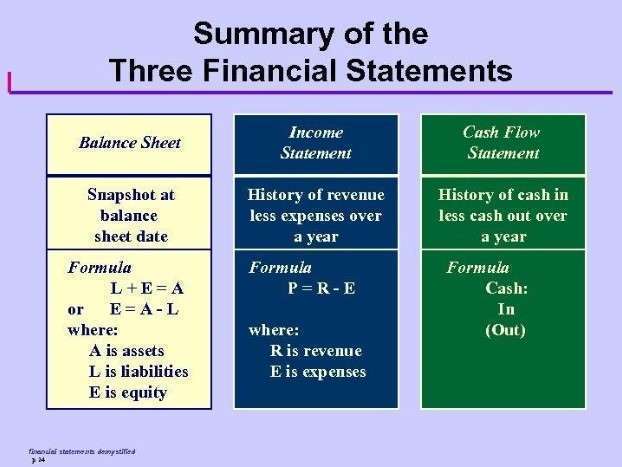
Instead, you will report them on your balance sheet as a liability. In conclusion, deferred revenue is an important concept for business owners to understand. It represents future revenue streams for the company and can impact financial reporting and cash flow. By properly accounting for deferred revenue and managing it effectively, companies can make informed decisions and maintain the health of their business. For example, if a company receives $12,000 in advance for a one-year service contract, the company would recognize $1,000 in revenue each month for the duration of the contract.
- Once the work is completed, you can recognize the revenue on your income statement.
- Your employer has the option to report taxable noncash fringe benefits by using either of the following rules.
- If a customer pays for a one-year subscription upfront, the publisher would recognize the payment as unearned income.
- The amount in the account at distribution includes the contributions and investment gains or losses, minus any investment and administrative fees.
- Use dedicated accounting software or tools to manage revenue cycles that can automate tracking and ensure visibility of deferred revenue balances, recognition schedules, and remaining obligations.
How is deferred revenue different from unearned revenue?
- This election must be made within 60 days after the lump-sum payment first becomes payable to you.
- If the insured is a chronically ill individual who isn’t terminally ill, accelerated death benefits paid on the basis of costs incurred for qualified long-term care services are fully excludable.
- Over time, as the goods are delivered or services are performed, the deferred revenue is recognized as earned revenue on the income statement.
- Recognizing and properly accounting for deferred revenue is essential for maintaining financial accuracy and ensuring regulatory compliance.
- Deferred revenue directly affects your balance sheet as a current liability (fulfilled within one year) or a long-term liability (fulfilled after one year).
- To understand deferred revenue in a little more depth, let’s look at an example.
- Amounts you defer under a SIMPLE plan count toward the overall limit ($23,000 for 2024) and may affect the amount you can defer under other elective deferral plans.
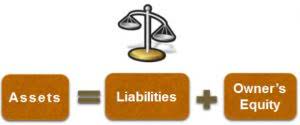
This then lessens the balance in the deferred revenue account and increases the balance in the revenue account. Take note that, depending upon the agreement, the seller may not be able to recognize revenue until the customer receives all of the agreed-upon services. Yes, deferred revenue should be categorised as a liability, rather than an asset, on your business’s balance sheet. This is because it describes revenue that hasn’t been earned, and therefore represents a product/service that is owed to the customer.


403(b) plans that are not exempt from ERISA must also supply information to plan participants, including a summary plan description PDF, and must meet other fiduciary obligations. 403(b) plans Foreign Currency Translation that are subject to ERISA must comply with DOL regulations, which may include obtaining an employee identification number (EIN) for the plan. Governmental, non-electing church and other 403(b) plans that meet the safe-harbor requirements under the DOL regulations are not subject to ERISA.
What kinds of businesses deal with deferred revenue?
Generally, you can use a special valuation rule for a fringe benefit only if your employer uses the rule. If your employer uses a special valuation rule, you can’t use a different special rule to value that benefit. You can always use the General valuation rule discussed earlier, based on facts and circumstances, even if your employer uses a special rule. If the benefits have a value that is more than these limits, the excess must be included in your income.
